

In the world of marketing, the Olympics isn’t just a sporting event—it’s the Ultimate Marketing Decathlon. With billions of eyes on a single stage, the "Gold Medal" goes to brands that master real-time engagement, omnichannel storytelling, and cutting-edge AI integration.
Whether you are a global enterprise or a growing startup, these 10 successful digital marketing examples from the Games offer a blueprint for winning over modern consumers.
1. The Power of Product Integration (Samsung)
Samsung didn’t just buy an ad; they became part of the victory. By putting the Galaxy Z Flip6 in the hands of medalists for "Victory Selfies," they achieved organic viral reach that traditional commercials can't buy.
Marketing Tip: Don't just show your product; show it in the moment of your customer's greatest success.
2. Provocative Storytelling (Nike)
Nike’s "Winning Isn’t for Everyone" campaign proved that bold brand positioning sparks conversation. By leaning into a "win-at-all-costs" mentality, they triggered massive social media sentiment and debate, keeping the brand trending for weeks.
3. Shoppable TV & Convergent Commerce (NBC/Instacart)
The 2024 Games perfected "T-Commerce" (Television Commerce). By using QR codes to link Olympic broadcasts to Instacart, brands removed the friction between "seeing" and "buying."
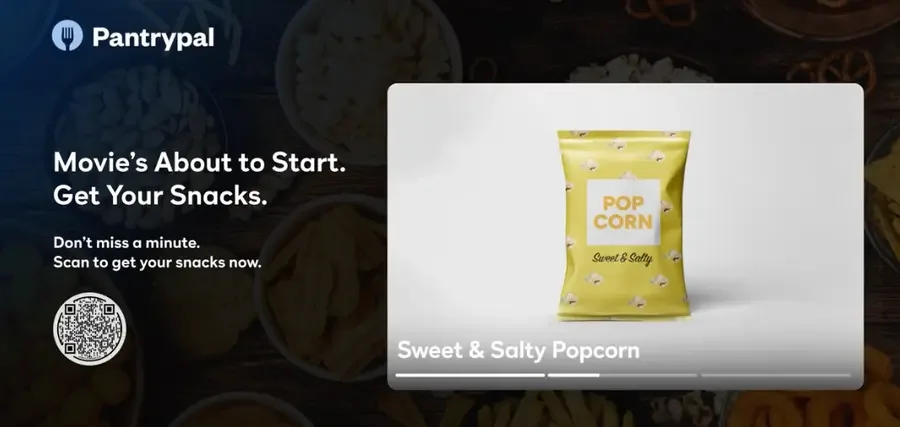
NBC Universal
4. CGI & Surrealist Content (Omega)
Omega used CGI (Computer Generated Imagery) to make athletes appear larger than life against Parisian landmarks. This "Surrealist Marketing" is highly effective for short-form video platforms like TikTok and Reels, where visual "stoppers" are required to prevent scrolling.
5. Moment-Based Marketing (Coca-Cola)
Coke’s "Hug" campaign utilized interactive packaging and digital rewards. By linking physical products to digital prizes via QR codes, they collected valuable first-party data while rewarding customer loyalty.
6. Behind-the-Scenes Authenticity (P&G)
Procter & Gamble didn't focus on the race; they focused on the laundry. By showing the "hidden" lives of athletes in the Village, they leaned into the "Human-Centric Content" trend that builds deep trust with Gen Z audiences.
7. Influencer & Luxury Synergy (LVMH)
LVMH showcased how to use High-Tier Influencer Marketing. By partnering with elite athletes as brand ambassadors, they merged the worlds of "High Performance" and "High Luxury," elevating their brand authority.
8. Demonstrating AI Utility (Google)
Google’s "Dear Sydney" ad focused on AI use cases. Rather than talking about "large language models," they showed how AI helps a child connect with her hero.
Key Takeaway: Market the benefit of technology, not the features.
9. Digital "Drops" & Exclusivity (Airbnb)
By offering a "once-in-a-lifetime" stay in the Musée d’Orsay, Airbnb used digital scarcity to drive massive PR buzz and app downloads.
Strategy: Use "Limited Time Offers" to create a sense of urgency.
10. Personalized Digital Journeys (Visa)
Visa’s focus on the "small steps" of an athlete’s journey resonated because it felt relatable. Personalized digital ads targeted at specific fan interests ensured that their message reached the right person at the right time.
How to Apply This to Your Business
You don’t need an Olympic-sized budget to use these tactics. Start by identifying your "Podium Moment"—that specific time when your customer feels like a winner—and use digital tools to amplify it.
Ready to Reach Your Own Podium?
The strategies used by giants like Samsung, Nike, and Visa prove that in 2026, marketing is no longer about shouting the loudest—it’s about being the most relevant. Whether you’re looking to integrate AI into your customer journey, launch a viral digital campaign, or create a seamless shoppable experience, you don't have to go it alone. We specialize in turning high-level Olympic-grade strategies into actionable results for businesses of all sizes.
Contact us today for a strategy audit, and let’s work together to take your marketing to the next level and secure your spot at the top of the podium.